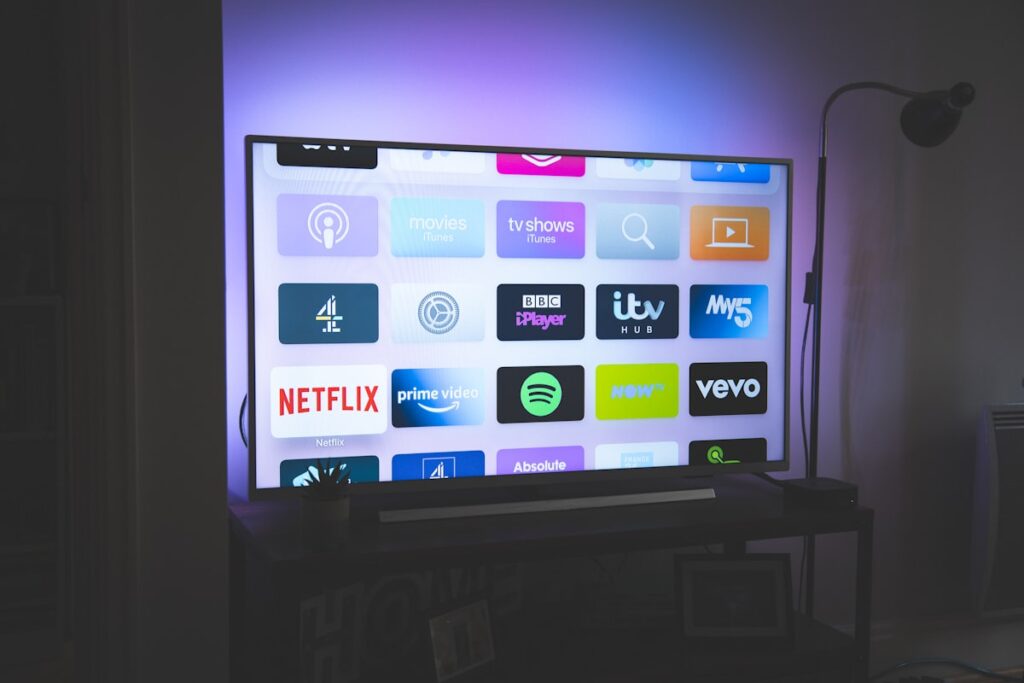
The choice between traditional cable and a modern IPTV USA service used to be simple. Cable had channels, internet TV had limits. That world is gone. In 2026, IPTV is faster, sharper and far cheaper than cable for most households. But the cable companies still have a few cards left to play, especially around local sports and bundled internet.
This honest comparison breaks down every angle that actually matters: price, picture, channels, contracts, customer service and reliability. By the end you will know whether to stay, switch or run a hybrid setup.
Cost: The Biggest Gap
A standard cable plan in the United States now costs between 90 and 160 dollars per month once equipment fees, broadcast surcharges and regional sports fees are added in. A premium IPTV subscription USA from a quality provider runs 12 to 20 dollars per month. That is not a small saving, that is rent money over a year.
Picture Quality: 4K Without the Drama
Cable still gives you most channels in 720p or 1080i. Many IPTV providers USA now deliver Full HD by default and 4K IPTV on movie and sports tiers, provided your internet can handle 25 Mbps or more. If you bought a 4K TV, IPTV puts it to work.
Channel Selection
Cable wins on guaranteed local affiliates in your exact ZIP code. IPTV wins on volume, international content and on demand libraries. The gap is closing fast because services like IPTVUSAA now include US local feeds in their premium plans.
Contracts and Lock In
Cable contracts often run 12 to 24 months with brutal early termination fees. IPTV is month to month. Cancel any time. That alone is enough to push many families to a streaming first setup. For a deeper dive on choosing a provider, read our IPTV provider guide.
Equipment and Installation
Cable requires a tech visit, a set top box per TV and rental fees that pile up. IPTV runs on the devices you already own: Firestick, Roku, Apple TV, Smart TV or even a phone. No installation, no truck roll, no extra wires.
Reliability
This is the one place cable still has an edge in rural areas with poor broadband. IPTV needs a stable internet connection. Once you have 50 Mbps or better with low latency, streaming is rock solid. If you are stuck on slow DSL, cable might still be the practical option until fiber arrives.
Sports, Movies and Series
Live Sports
NFL Sunday Ticket, NBA League Pass and MLB.TV all stream natively in 2026. Add a premium IPTV service USA on top and you get RSNs, international leagues and PPV events without extra hardware. See our Champions League streaming guide for a sports specific walkthrough.
Movies and Shows
IPTV providers USA now include large on demand libraries, often refreshed weekly. Cable VOD looks dated by comparison.
Customer Service
Cable customer service is notorious. IPTV providers vary widely, but the better names answer tickets quickly because they cannot afford bad reviews. Always test support before you pay for a year.
Hybrid Setup: Best of Both
Many households keep their cable internet, drop the cable TV portion and add IPTV. You keep fast broadband, you lose the cable box rental, and you gain channel choice plus 4K. According to the Pew Research Center, this hybrid pattern is now the dominant model in US households under fifty.
Conclusion
IPTV USA wins the 2026 comparison on price, picture, flexibility and feature set. Cable still serves a small niche where broadband is weak. For everyone else, a quality IPTV service like IPTVUSAA is the smarter move. Start with the free trial, run it for a few days on your real network and you will see the difference.

FAQs
Is IPTV USA cheaper than cable?
Yes, by a wide margin. A typical IPTV subscription USA runs 12 to 20 dollars per month while cable averages 120 dollars after all fees. Over a year that is more than a thousand dollars in savings, which is why so many households have switched in 2025 and 2026.
Can I get local channels on IPTV?
Yes. Modern IPTV providers USA include local ABC, CBS, NBC and FOX affiliates in their premium plans. The exact lineup varies by region, so always confirm with a free trial before paying for a year.
Does IPTV work without cable internet?
Any reliable internet works. Fiber and 5G home internet are ideal. Older DSL connections can still handle SD and some HD but may struggle with 4K IPTV streams during peak hours.
What internet speed do I need for IPTV?
For HD streaming you want at least 15 Mbps per stream. For 4K IPTV plan on 25 Mbps per stream. A household with two or three TVs running at the same time should aim for 100 Mbps or more.
Will IPTV replace cable entirely?
For most households, yes. Cable still holds on in areas with weak broadband and among customers who want a single bundled bill. As fiber rolls out, the cable side of pay TV keeps shrinking each quarter.
Is IPTV reliable for live sports?
A quality IPTV USA provider handles live sports without buffering, including marquee events like the Super Bowl, the NBA Finals and the World Cup. Latency on top services is within two to three seconds of cable, so spoilers from social media are rarely an issue.
Can I keep my cable internet and add IPTV?
Absolutely. Many users drop the cable TV portion of their bill, keep the internet line, and add an IPTV subscription. This hybrid setup gives you the speed of cable broadband and the flexibility of IPTV without paying for two TV services.